

Blog


If you enjoy feeding birds in your backyard, you may have wondered: do bird feeders attract mice?
It’s a common concern among homeowners, especially when bird seed starts disappearing overnight or you notice small droppings near your feeder.
The short answer is yes—bird feeders can attract mice, but only under certain conditions. The good news is that this problem is preventable, and you don’t need to stop feeding birds to keep mice away.
Key Takeaways
- Bird feeders attract mice mainly because of spilled seed.
- Feeder design and seed quality matter more than location alone.
- Weekly cleanup prevents repeat visits.
- You can keep feeding birds safely with small changes.
In this guide, we’ll explain why bird feeders sometimes attract mice, the risks involved, and exactly how to prevent it—so you can enjoy backyard bird feeding without unwanted visitors.
In This Post
Do Bird Feeders Attract Mice?
Quick Answer
Yes—bird feeders can attract mice if seed spills onto the ground. The fix is simple: reduce spillage, clean weekly, and use the right feeder setup.
Mice are attracted to easy food sources, especially spilled bird seed on the ground.
If bird feeders are:
- Poorly designed
- Placed too close to structures
- Filled with low-quality seed
- Not cleaned regularly
…they can become a reliable food source for mice.
However, well-managed bird feeders rarely cause mouse problems.
Why Bird Feeders Can Attract Mice
Spilled Bird Seed on the Ground
The biggest reason mice show up near bird feeders is seed spillage.
Birds naturally drop seed while feeding. Over time, this creates an easy, calorie-dense food source that mice can find quickly—especially at night when birds are inactive.
Feeders that scatter seed freely are far more likely to attract rodents.
Type of Bird Seed Matters
Not all bird seed is equal.
Mice are especially attracted to:
- Cracked corn
- Milo
- Wheat
- Cheap mixed seed blends
These seeds are often left behind by birds but eagerly eaten by rodents.
Higher-quality “no-mess” seeds leave little residue and are less attractive to mice.
Feeder Placement
Where your feeder is located makes a big difference.
Mice are more likely when feeders are:
- Too close to walls, fences, or decks
- Hung too low to the ground
- Placed near dense shrubs or woodpiles
Poor placement gives mice both food and cover, making your yard more inviting.
Lack of Regular Cleanup
Even a small amount of spilled seed can build up over time.
If seed remains on the ground for days or weeks, mice learn that your yard is a reliable food source and will return repeatedly.
Do Bird Feeders Attract Rats Too?
This is a common follow-up question.
Yes, bird feeders can attract rats, but it’s far less common than mice.
Rats usually appear when:
- Large amounts of seed are available
- Feeders are close to buildings
- Urban or semi-urban areas are involved
In most suburban and rural yards, mice are the primary concern, not rats.
Do Bird Feeders Attract Mice and Snakes?
Bird feeders do not attract snakes directly.
However:
- Bird feeders can attract mice
- Mice attract snakes
If mice become established near your feeder, snakes may follow—especially in warmer months.
Preventing mice is the best way to reduce any secondary wildlife issues.
Signs Your Bird Feeder Is Attracting Mice
You may have a mouse issue if you notice:
- Small droppings near the feeder
- Burrows or tiny holes in the soil
- Seed disappearing overnight
- Rustling sounds at night
- Chewed bags of bird seed nearby
Seeing one sign doesn’t always mean a serious problem—but multiple signs mean it’s time to take action.
Shop new arrivals
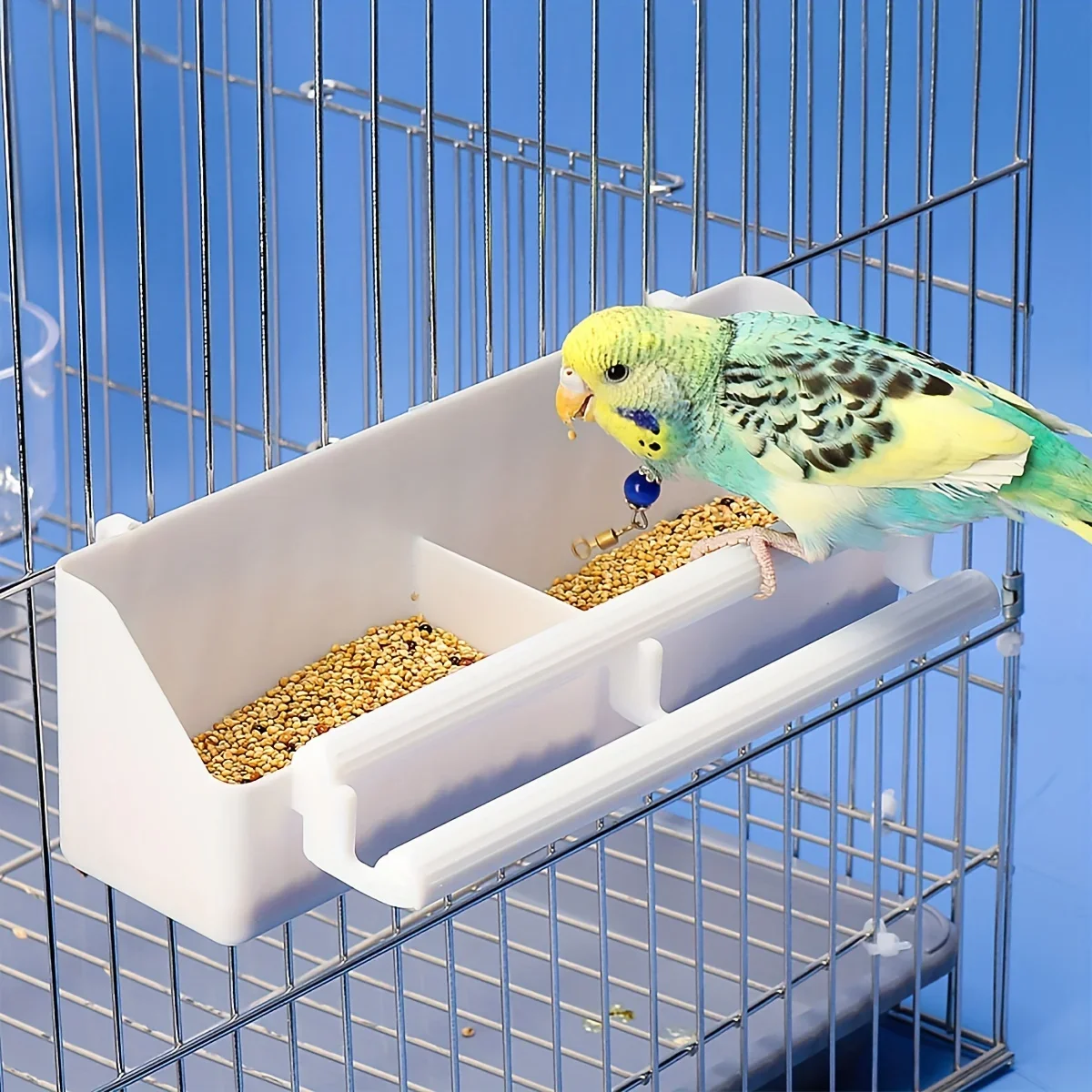
1 pc – Double grid stand bird feeding trough parrot feeder
Original price was: $54.00.$26.00Current price is: $26.00.
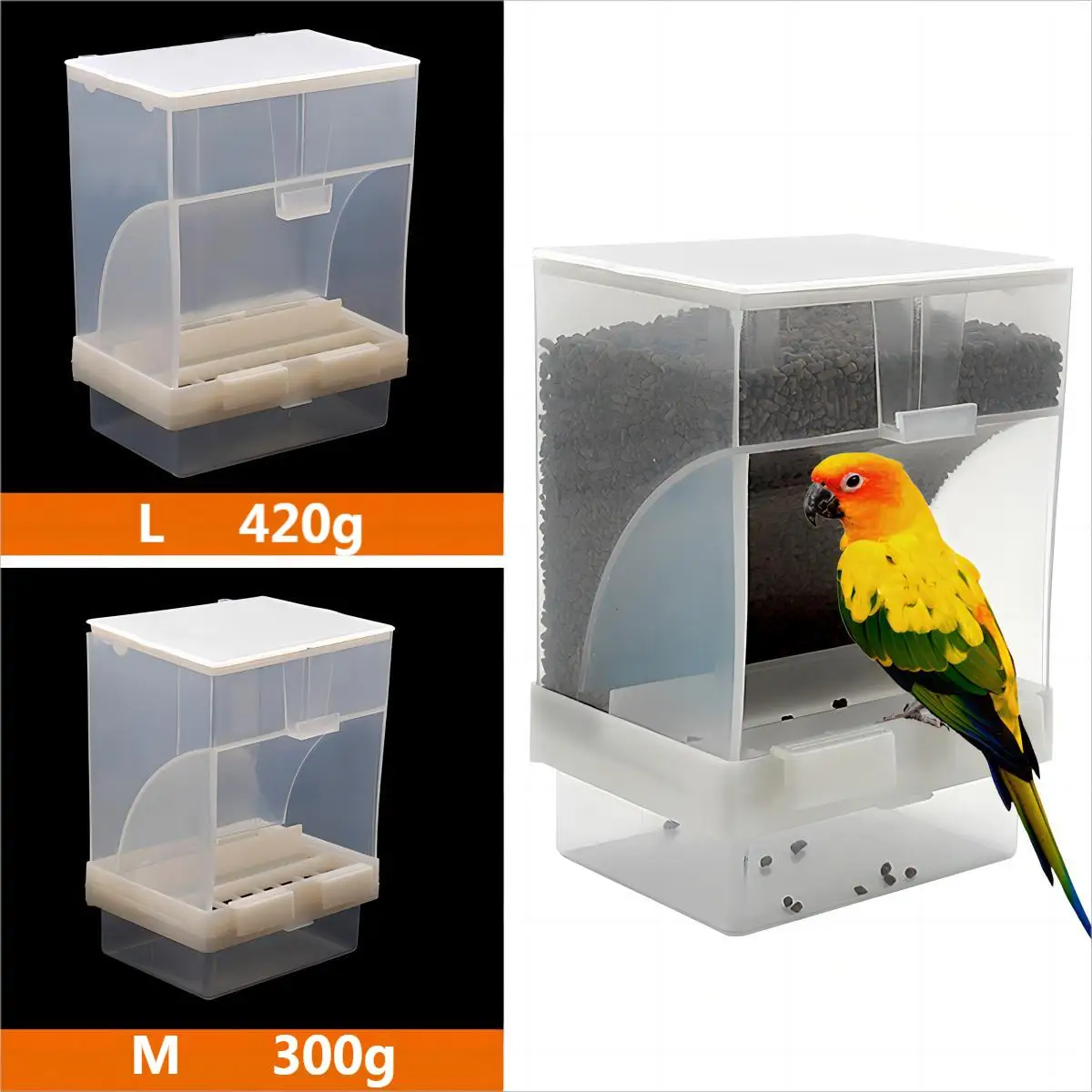
1 Pc Bird Automatic Feeder Parrot Splash Proof Removable Container Bird Cage Bird Feeder Starling Tiger Skin Peony Accessories
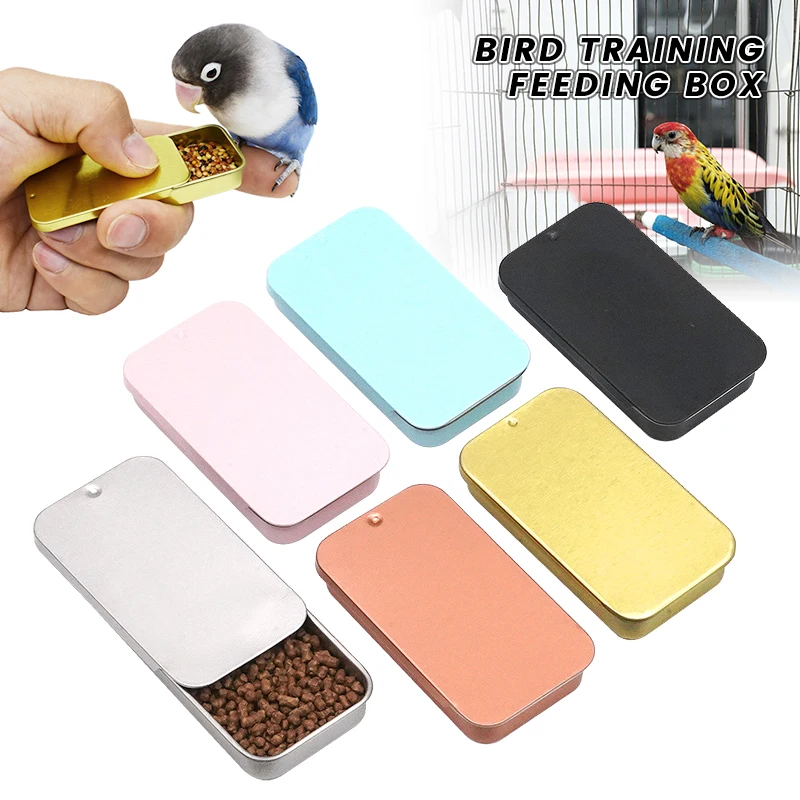
Price range: $30.00 through $32.001 Pc Bird Feeding Handheld Feeder Mini Feeding Box Multiple Colors Bird Training Food Jar Bird Growth Training Interactive Toy
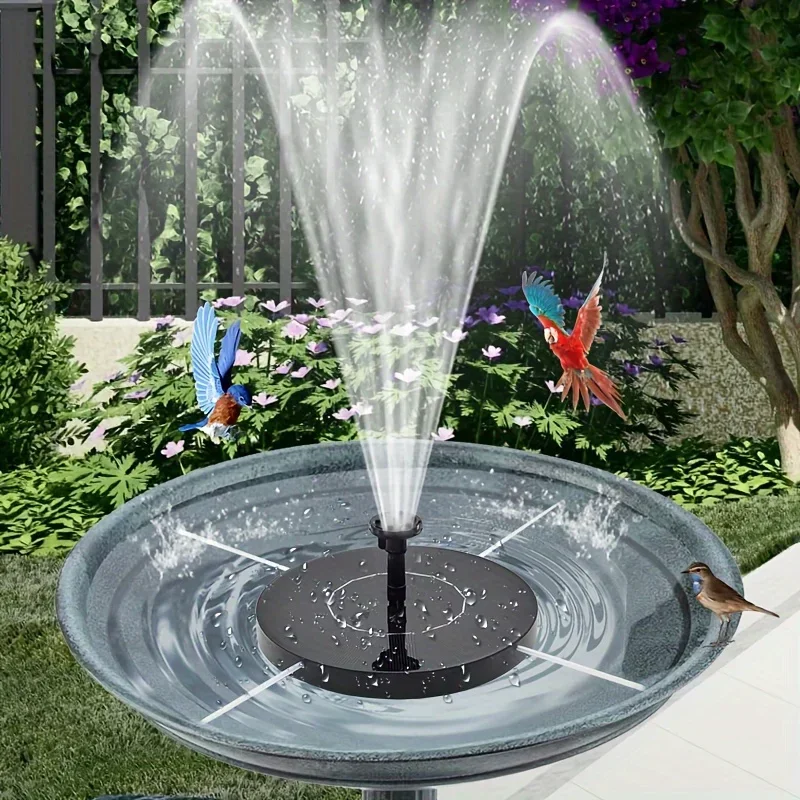
$26.001.4w Solar Bird Bath Fountain Pump, for Garden Decor, Fish Tanks, Ponds & Oxygenation, Outdoor Water Feature,Floating Water Pump
Price range: $20.00 through $21.0010 lbs High-Protein Mealworms – Ideal for Birds, Ducks, Fish, Turtles. Rich in Protein & Calcium.
Original price was: $99.00.$79.99Current price is: $79.99.

Are Mice Dangerous to Birds or Humans?
Risks to Birds
Mice can:
- Contaminate seed with droppings
- Spread disease through shared feeding areas
- Compete for food
While birds are not usually harmed directly, hygiene becomes a concern.
Risks to Humans and Pets
Mice can:
- Carry bacteria
- Chew wiring and structures
- Enter garages, sheds, or homes
Addressing the issue early prevents larger infestations.
Pro Tips
- Feed smaller amounts more often to reduce leftovers.
- Place feeders 10–12 feet away from decks, sheds, and fences.
- Use a seed catcher tray to stop ground scatter.
- Store seed in a sealed container to avoid attracting rodents nearby.
How to Prevent Mice Around Bird Feeders (Step-by-Step)
The good news: you don’t have to stop feeding birds. You just need to feed them smarter.
Use Mouse-Resistant Bird Feeders
The right feeder design is your strongest defense.
Look for feeders that are:
- Tube-style with small ports
- Enclosed or weight-activated
- Designed to limit seed scatter
Avoid tray feeders or open platforms if mice are a concern.
Choose the Right Bird Seed
Switch to seeds that birds love—but mice don’t rely on as easily.
Best options:
- Hulled sunflower seeds
- No-mess seed blends
- Nyjer (thistle) seed
These leave little waste on the ground.
Install a Seed Catcher Tray
A seed catcher tray placed under the feeder:
- Captures falling seed
- Reduces ground access
- Makes cleanup easier
This single addition can dramatically reduce mouse activity.
Proper Feeder Placement
Ideal placement:
- At least 5–6 feet off the ground
- At least 10–12 feet away from buildings
- Away from dense shrubs or fences
The harder it is for mice to access food and cover, the less likely they’ll stay.
Clean the Area Regularly
Simple maintenance goes a long way.
- Rake or sweep under feeders weekly
- Remove old seed and hulls
- Store bird seed in sealed metal containers
Consistency is key.
Should You Stop Feeding Birds If You Have Mice?
In most cases, no.
You should only consider pausing bird feeding if:
- There is a severe rodent infestation
- Preventive steps have not been taken
- Local wildlife authorities advise it
For most people, improving feeder setup solves the issue.
Best Bird Feeders to Reduce Mice Problems
When choosing a feeder, prioritize:
- Minimal seed waste
- Enclosed feeding ports
- Durable materials
- Easy cleaning access
Avoid feeders that allow birds to scatter large amounts of seed.
Small adjustments make a big difference.
Frequently Asked Questions
Conclusion
So, do bird feeders attract mice?
They can—but only when seed is spilled, feeders are poorly placed, or maintenance is ignored.
With the right feeder, better seed, and simple cleanup habits, you can enjoy feeding birds without attracting mice. Responsible bird feeding keeps your yard welcoming for birds—and uninviting for rodents.


